Start with a
working playbook.
Default restaurant areas and shifts seed an operating binder. Managers adapt checklist templates; staff enter through phone authentication.
A focused Hebrew-first starting point.SHIFTIM / A PRODUCT THESIS / OCTOBER 2026
The operating rhythm behind the restaurant: prepare, execute, hand over, improve. One shared workflow for the people doing the work.

A binder holds the standard. A chat carries the exception. A manager remembers the follow-up. The next shift has to piece it back together.
Shiftim’s bet: the handoff is the right place to bring the work together.
A DAILY HABIT, BUILT INTO THE WORK
A repeatable workflow from the first task to the manager’s decision. Scroll through the product.
Default restaurant areas and shifts seed an operating binder. Managers adapt checklist templates; staff enter through phone authentication.
A focused Hebrew-first starting point.Staff complete tasks with attribution and notes. Shift briefs preserve context; read receipts show who opened them. Offline task writes can queue for reconnection.
Shared work, tied to a restaurant and a shift.A completed checklist enters the manager’s queue. Approve it, or reopen it with a reason. Staff execution and manager review are distinct steps.
The approval loop is the product’s center.Training tracks capture progress and signatures. Seven-day reports summarize existing checklist runs. Staff suggestions give recurring friction a route back to management.
The next shift starts with more context.The animation is unavailable. The full product story remains in the text.
Earn a place in the daily shift.
Grow into the restaurant’s operating memory.
Published pricing is per restaurant, with unlimited staff. The commercial hypothesis: team turnover should not become a reason to leave people out.
₪199 restaurants
Published monthly list price. Annual option: ₪1,990. Pilot offer: 60 days free, then ₪149/month for a year for the first five restaurants.
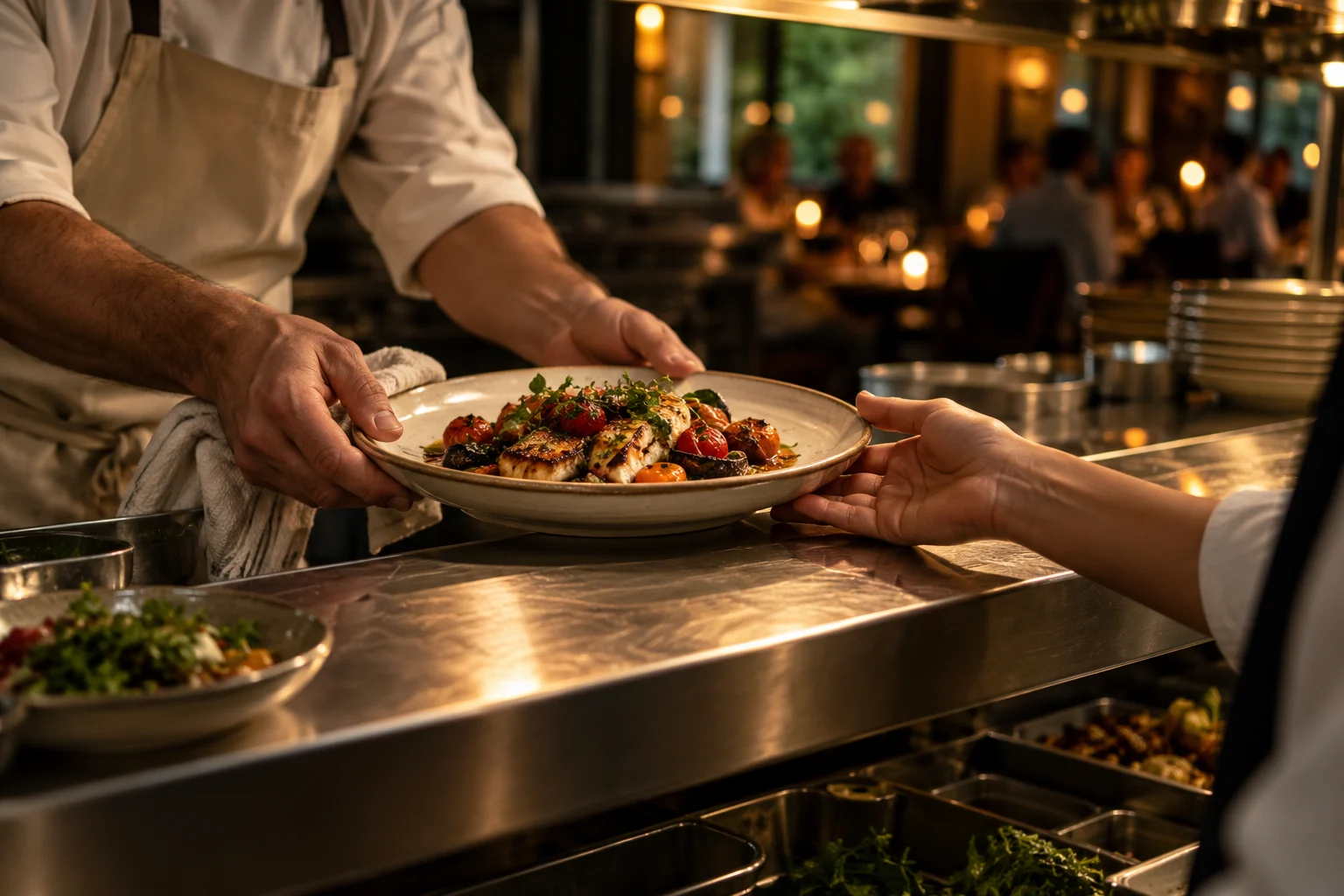
THE UNIT OF VALUE IS A BETTER HANDOFF.
The strategic aim is simple: become useful in the work restaurants already repeat, every day.
A product exists. Customer adoption, retention and willingness to pay still need evidence. The pilot should answer four practical questions.
Observe setup with a real team. Measure time to the first completed and approved shift.
Track recurring use across opening, handover and closing. Pair behavior with staff interviews.
Study what managers reopen, what staff correct and whether the approval habit survives a busy service.
Test paid conversion after the pilot. Learn onboarding effort, support load and retention before scaling acquisition.
These are proposed pilot measurements, not instrumented analytics or reported results. No customer count, revenue, savings, market-size or fundraising claim is asserted in this presentation.
The right early partner brings restaurant access, operating empathy and the discipline to turn a working product into a repeatable business.
Use the discussion brief to explore pilot introductions, commercial validation and the next product priorities.
Download the discussion briefEarly-stage product narrative. Funding amount and terms are not specified. Product illustrations use synthetic examples; generated photography does not depict customers.